

Key takeaways
- Choose your locksmith before an emergency — vetting a pro at midnight at a locked door is exactly when people get scammed.
- Confirm three things first: a verifiable local license and insurance, a real business name and address, and genuine local reviews.
- The biggest red flag is a too-good-to-be-true teaser price online that turns into a much larger cash demand on arrival.
- A trustworthy locksmith gives you an all-in price over the phone before any work and arrives in a marked vehicle with ID.
- Save a licensed, insured local locksmith's number now, so you never have to gamble on a search result in a panic.
Why choosing the right locksmith matters
Choosing a locksmith carefully matters because a locksmith literally has the keys to your home, car, or business — and the trade is a known target for bait-and-switch scams that prey on people in a hurry.
When you're locked out, you're stressed and rushing, which is exactly when a bad operator wins. A few minutes of vetting — ideally before you ever need one — protects your property, your wallet, and your peace of mind.
Check credentials: licensed, insured, and local
Before you book any locksmith in Miami, confirm three things: that they're licensed and insured, that they're a real local business with a name and address, and that they have genuine reviews you can read.
- License and insurance — a legitimate locksmith gives you a license number and proof of insurance without hesitation.
- A real local presence — a business name, a local Miami phone number, and a verifiable address, not just a generic ad.
- Genuine reviews — a track record on Google or other platforms from real local customers, not a brand-new page with no history.
- A clear service area — a true local pro serves Miami-Dade and knows the neighborhoods, not a national call center routing the job out.
If a company dodges any of these — especially the license question — treat that as your answer and move on.
Red flags: how to spot a locksmith scam
The classic locksmith scam is a bait-and-switch: a too-good-to-be-true price advertised online, an unmarked car on arrival, and a much larger cash-only demand once your lock is open.
In our experience serving Miami, the angriest calls we field are from people who were quoted one price by an out-of-town call center and charged far more on arrival. Watch for these warning signs:
- A teaser price that sounds too good to be true, advertised just to get you to call.
- The phone answered with a generic "locksmith," not a real business name.
- An unmarked car and a technician with no logo, uniform, or ID.
- A refusal to quote an all-in total before the work starts.
- Cash only, with the price jumping the moment the lock opens.
- An immediate push to drill the lock when a non-destructive opening is possible.
Need a locksmith right now?
Cheetah Locksmith covers all of Miami. Fast, licensed, upfront pricing.
Questions to ask before you book a locksmith
A few quick questions on the phone separate a trustworthy locksmith from a scam: ask who they are, whether they're licensed and insured, and what the all-in price will be.
- "What's the name of your business?" — you should get a clear, consistent answer, not a generic "locksmith."
- "Are you licensed and insured, and what's your license number?"
- "Can you give me the all-in price — service call, labor, and parts — before you start?"
- "Do you come to my area of Miami, and what's a realistic arrival time?"
- "Will you try to open the lock without damaging it before anything else?"
What a professional locksmith actually does
A professional, licensed locksmith comes to you with the tools to open most standard locks without damage, explains the work before doing it, and charges the price they quoted.
On most standard residential and automotive locks, a trained locksmith uses non-destructive techniques to get you back in and leaves the hardware fully usable. Drilling is a last resort for high-security or already-damaged locks — and a good locksmith tells you before they do it, never after.
Have these ready when they arrive
- Photo ID and something that shows you live there or own the vehicle.
- Your exact address and any gate or building access notes.
- The lock or vehicle make and model, if you happen to know it.
Choosing a locksmith in an emergency
If you're already locked out and didn't vet anyone in advance, you can still protect yourself: confirm the business name, ask for the all-in price up front, and refuse to let work start until you've agreed on it.
After-hours and overnight calls reasonably carry a premium for the immediate response, and that's normal — the key is that a trustworthy locksmith discloses it on the phone so the total never changes once they arrive.
Why Miami chooses Cheetah Locksmith
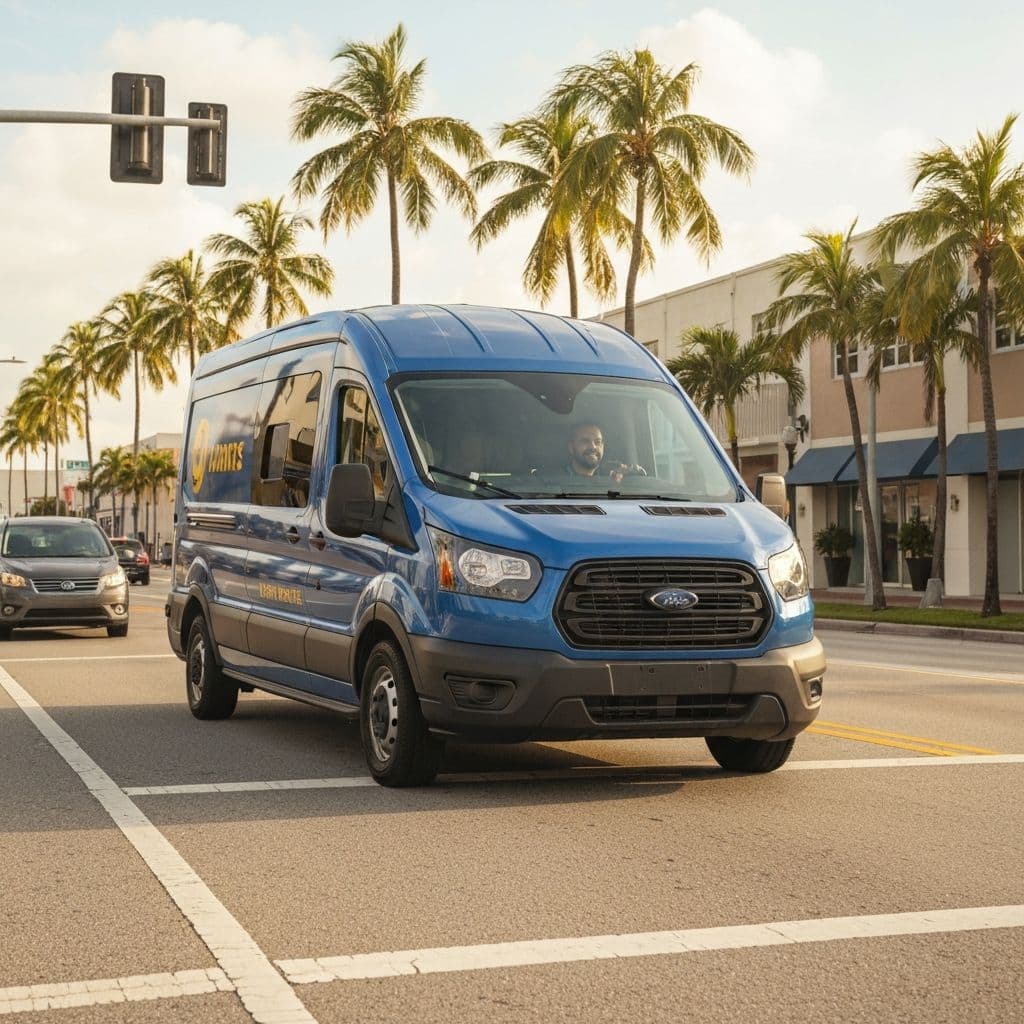
Cheetah Locksmith checks every box you should look for: licensed and insured, a real local Miami team, an all-in price quoted before any work, and a marked mobile service that comes to you.
We're a licensed, insured mobile locksmith team, rated 5 stars by Miami customers, covering all of Miami-Dade around the clock. Save our number now — so the next time you're locked out, you're calling a pro you already trust instead of gambling on a search result.
Frequently asked questions
How do I know if a locksmith is legitimate?
A legitimate locksmith gives you a real business name, a local phone number and address, and license and insurance details without hesitation. They quote an all-in price before any work and arrive in a marked vehicle with identification. If a company dodges any of those, keep looking.
Should I choose a locksmith before I actually need one?
Yes. Researching and saving a trusted local locksmith before an emergency is the single best way to avoid scams. People get taken advantage of when they're panicking at a locked door and grab the first ad. Vet one calmly now and save the number in your phone.
What are the biggest locksmith scam red flags?
The top red flags are a too-good-to-be-true teaser price, a generic "locksmith" phone greeting instead of a business name, an unmarked car with no ID, a refusal to quote an all-in total up front, and a cash-only demand that balloons once the lock is open.
Should a locksmith be licensed and insured in Miami?
Yes — always hire a licensed, insured locksmith. Insurance protects your property if something is damaged, and a license means the person working on your locks is accountable. A reputable locksmith provides both on request; an anonymous, cash-only operator can't.
How can I avoid locksmith scams as a visitor or new resident?
Ignore teaser ads with a price that's too good to be true, insist on an all-in quote before any work, and confirm the locksmith has a real local phone number, a business name, and a license. A legitimate company is happy to verify all three before they start.
Will a good locksmith open my lock without damaging it?
In most cases, yes. A skilled locksmith uses non-destructive methods to open standard residential and car locks and keeps the hardware usable. Drilling is a last resort for high-security or already-damaged locks, and a trustworthy pro tells you before drilling, never after.
What should I ask a locksmith on the phone before booking?
Ask four things: the name of their business, whether they're licensed and insured, the all-in price before any work, and a realistic arrival time for your area. Clear, confident answers signal a real local pro; vague or evasive ones are your cue to call someone else.
How do I choose a locksmith for my Miami home or business?
Look for a licensed, insured local locksmith with genuine reviews, a real business name and address, and upfront all-in pricing. Confirm they serve your part of Miami-Dade and will try a non-destructive opening first. Cheetah Locksmith meets all of these — save our number before you need it.

The Cheetah Locksmith Team
Licensed & Insured Miami Locksmiths
Cheetah Locksmith is a licensed, insured mobile locksmith team serving Miami-Dade. We handle emergency lockouts, car keys, rekeys, and lock installations across the city every week — using methods designed to avoid damage to your doors and locks whenever possible.
Related services
Emergency Lockout Service
Locked out of your home, car, or business? Our emergency lockout specialists arrive quickly with the tools to get you back inside safely, using methods designed to avoid damage whenever possible.
Residential Lock Services
Your home is your sanctuary. We provide complete residential locksmith services including new lock installation, lock rekeying, deadbolt upgrades, and smart lock installation to keep your family safe.
Commercial Lock Services
Protect your business with professional commercial locksmith services. We install and service high-security locks, master key systems, panic bars, and access control systems for offices, retail stores, restaurants, and warehouses.
Lock Rekeying Service
Moving into a new home? Had a break-in? Rekeying your locks is a cost-effective way to ensure only you have keys. We rekey all types of residential and commercial locks quickly and affordably.